THE process





No items found.
The 2Gen Jamaica concept is ambitious and research-backed: that lasting change in a child's future requires empowering both the child and the parent simultaneously, so that families can rise together rather than one generation waiting on the next.
Its forward-thinking working group including the Northwestern University-based Buffett Institute of Global Affairs, philanthropist David Lowenstein, and film maker Alrick Brown, knew that before they could build partnerships, they had to build understanding. The idea needed to be communicated clearly, compellingly, and in a way that would resonate with a Jamaican audience and inspire stakeholders to get on board.
We developed a two-and-a-half minute animated explainer video that distilled a complex social intervention framework into a story people could feel.
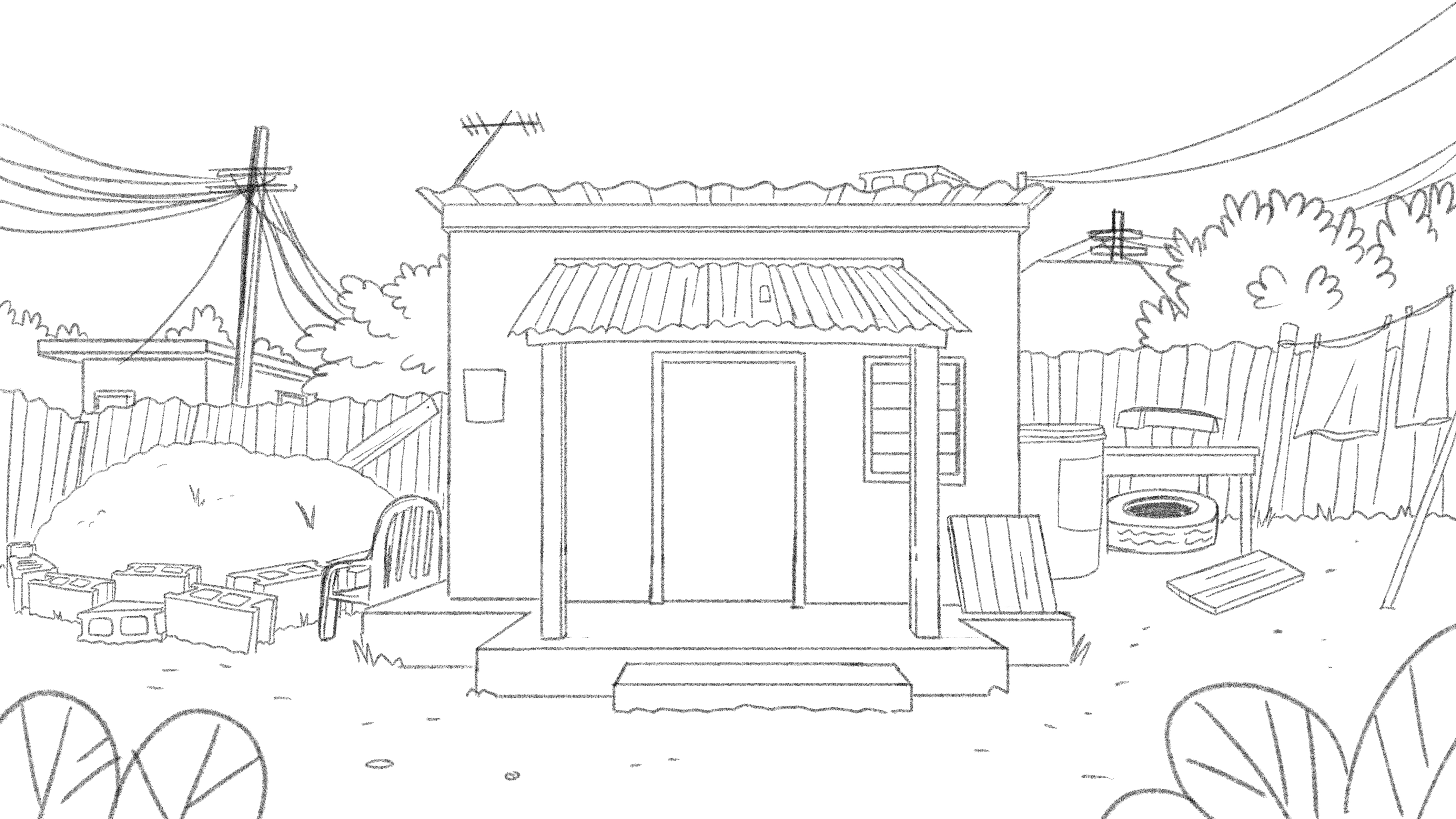
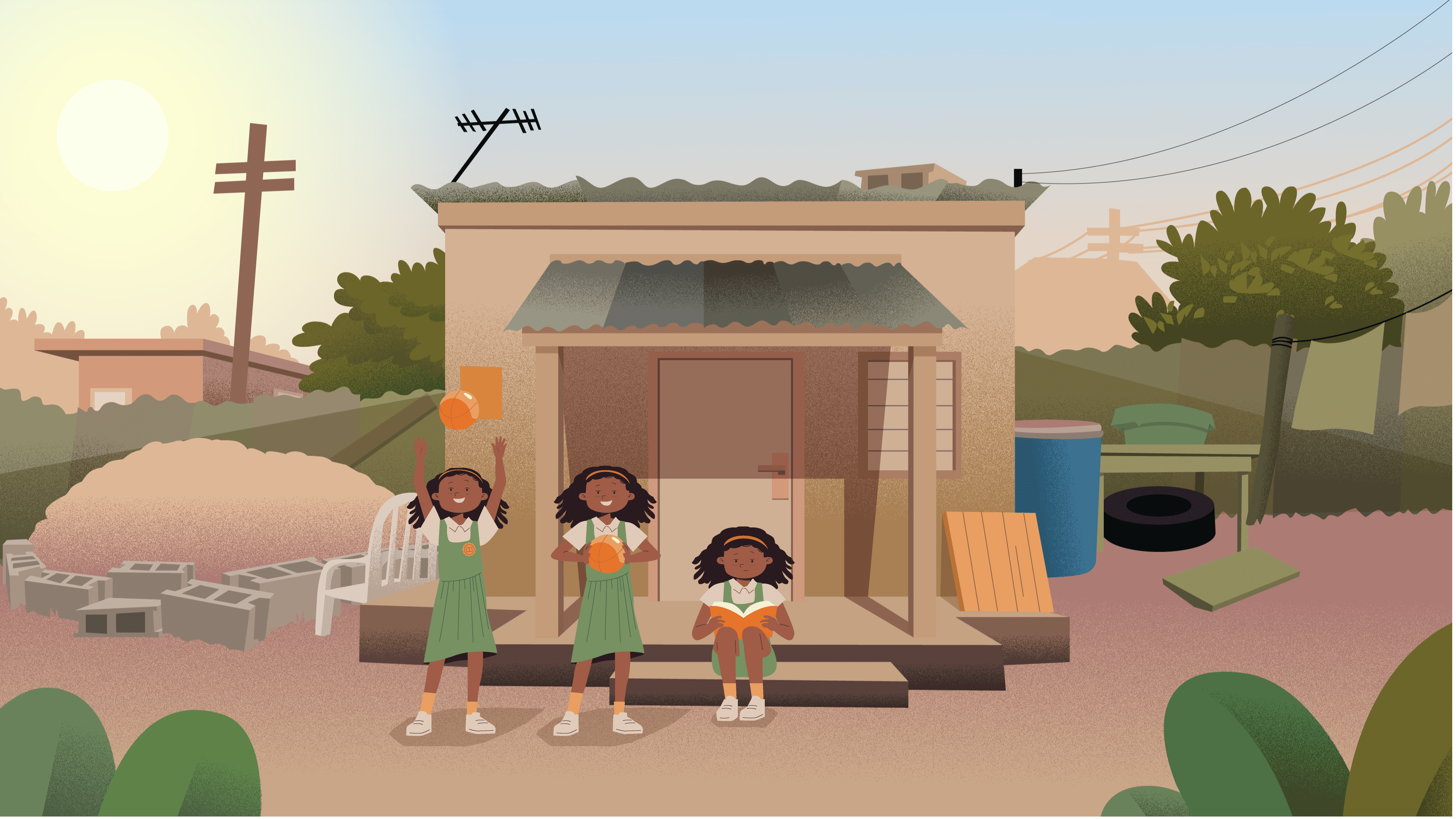
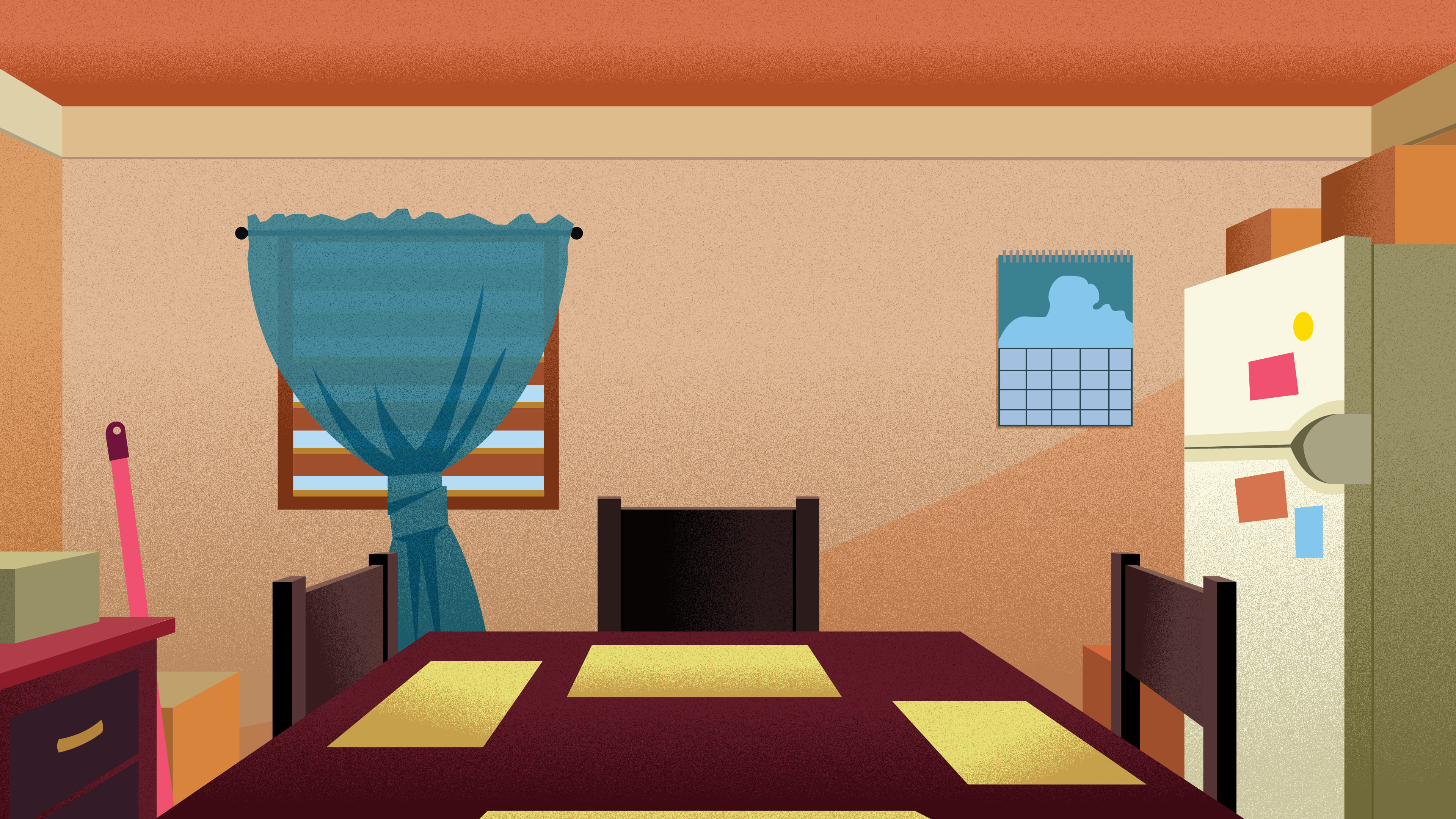
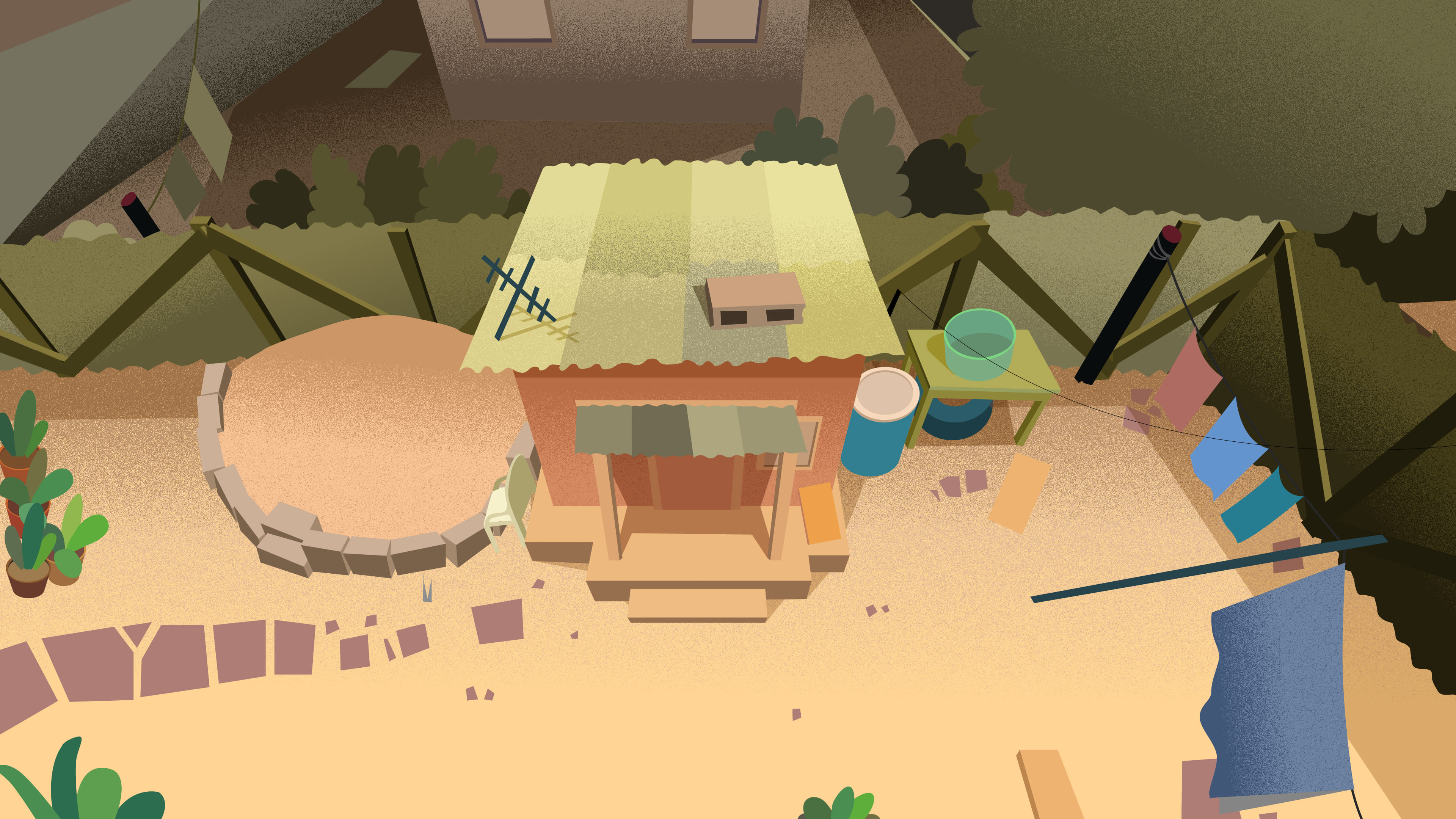
The process began with deep consultation. We spent time with the 2Gen team to understand the program's goals, its target audience, and the nuances of what they were trying to achieve. From there, we conducted desktop research to ensure the visual world of the video reflected something authentic. The family's environment, their home, the characters' names, the design of the spaces they inhabited, all were grounded in what a Jamaican family would actually recognise as their own.
We managed the full production including animation, character design, and voiceover, translating the concept into a narrative that was accessible without being reductive, and warm without losing its sense of purpose.
The video launched at the Caribbean Philanthropy Forum in Kingston to an immediate and enthusiastic response. What followed has been a series of validating interventions from potential partner organizations who have begun actively collaborating, driven by a clearer understanding of the model and its potential.
These multi-stakeholder programs take time to be implemented sustainably. But the work has begun.
The video has become a catalyst, helping to shift how Jamaica thinks about family-level interventions in education and economic empowerment. If the ripple continues, it may help reshape the very framework through which change reaches children and their parents across the island.

An award winning creative strategy and production company that uses branding, digital design, and storytelling to help shift how people think.